Categories

How Toll Manufacturing Helps Coating Brands Scale Production

In the competitive coatings industry, businesses must balance product innovation, production capacity, and cost efficiency. Many coating brands develop high-performance formulations but struggle to scale production without major investment in equipment, facilities, and specialist staff.

This is where toll manufacturing becomes an effective solution. By partnering with an experienced manufacturer, coating brands can scale production quickly while maintaining product quality and consistency.

This article explains what toll manufacturing is, how it works, and why it is increasingly used by coating brands looking to grow.

What Is Toll Manufacturing?

Toll manufacturing is a production arrangement where a specialist manufacturer produces products on behalf of another company using that company’s formulation or specifications.

In the coatings industry, this typically means a manufacturer produces coatings such as:

  • Roof coatings
  • Waterproofing systems
  • Protective industrial coatings
  • Anti-graffiti coatings
  • Specialty polymer coatings

The brand owner retains ownership of the formulation and product branding, while the manufacturing partner handles the production process.

Why Coating Brands Choose Toll Manufacturing

Launching or expanding a coating product line requires significant investment. Manufacturing facilities need specialised mixing equipment, quality control systems, and compliance procedures.

Toll manufacturing allows brands to scale without these upfront costs.

Key advantages include:

1. Increased Production Capacity

When demand increases, brands often find their in-house production capacity becomes a bottleneck. A toll manufacturer can provide large-scale production capabilities, enabling businesses to meet growing demand without delays.

This flexibility allows brands to scale production volumes up or down as needed.

2. Reduced Capital Investment

Setting up a coatings manufacturing facility requires:

  • Industrial mixing equipment
  • Chemical storage systems
  • Safety and compliance infrastructure
  • Skilled technical staff

These investments can be substantial. Toll manufacturing removes the need for large capital expenditure while still allowing brands to expand production.

3. Faster Time to Market

For new coatings products, speed is often critical. Developing manufacturing processes internally can take months or even years.

Working with an experienced toll manufacturer allows brands to move from formulation to commercial production much faster, helping them respond quickly to market demand.

4. Access to Manufacturing Expertise

Coating formulations often require precise processing conditions, specialised equipment, and strict quality control.

A professional manufacturing partner brings:

  • Technical expertise
  • Proven production methods
  • Quality assurance systems
  • Regulatory compliance knowledge

This ensures products are manufactured consistently and reliably.

5. Improved Supply Chain Efficiency

Managing raw materials, production schedules, and logistics can become complex as production grows.

Toll manufacturers often support:

  • Raw material sourcing
  • Batch production scheduling
  • Packaging and labelling
  • Inventory management

This helps brands streamline operations and focus on marketing and product development.

When Should a Coating Brand Consider Toll Manufacturing?

Toll manufacturing is particularly valuable in several situations:

  • Rapid growth in product demand
  • Launching a new coating product line
  • Limited in-house manufacturing capacity
  • High capital costs for new production equipment
  • Expansion into new markets

For many coating brands, outsourcing production becomes a strategic step that supports long-term growth.

Toll Manufacturing in the Protective Coatings Industry

Protective coatings require specialised production processes to ensure durability, performance, and safety.

Applications include:

  • Industrial corrosion protection
  • Waterproof roof coatings
  • Infrastructure protection systems
  • Anti-graffiti coatings for public buildings and transport networks

Because these products must meet strict quality standards, partnering with a reliable toll manufacturer is essential.

Choosing the Right Toll Manufacturing Partner

Not all manufacturers offer the same capabilities. When selecting a partner, coating brands should consider:

  • Experience in polymer and coating production
  • Quality control procedures
  • Production capacity and scalability
  • Regulatory compliance and safety standards
  • Confidentiality and protection of proprietary formulations

A trusted partner can become a key part of a company’s long-term manufacturing strategy.

Supporting Growth in the Coatings Market

As demand for high-performance coatings continues to grow, many brands are adopting flexible manufacturing models. Toll manufacturing allows businesses to scale production efficiently while maintaining product quality and brand identity.

By working with a specialist manufacturer, coating companies can focus on what they do best, developing innovative products and growing their market presence, while experienced production teams handle the manufacturing process.

Conclusion

Toll manufacturing offers a practical and cost-effective way for coating brands to expand production without the financial burden of building their own facilities. With access to specialised equipment, technical expertise, and scalable production capacity, businesses can respond quickly to market opportunities and increase their competitive advantage.

For companies looking to grow in the coatings sector, toll manufacturing can provide the manufacturing flexibility needed to support long-term success.

Find days between 2 dates

Kansoken

Categories

Protecting Flat Roofs Year-Round: How Protective Polymers Delivers Durable, Eco-Friendly Coatings

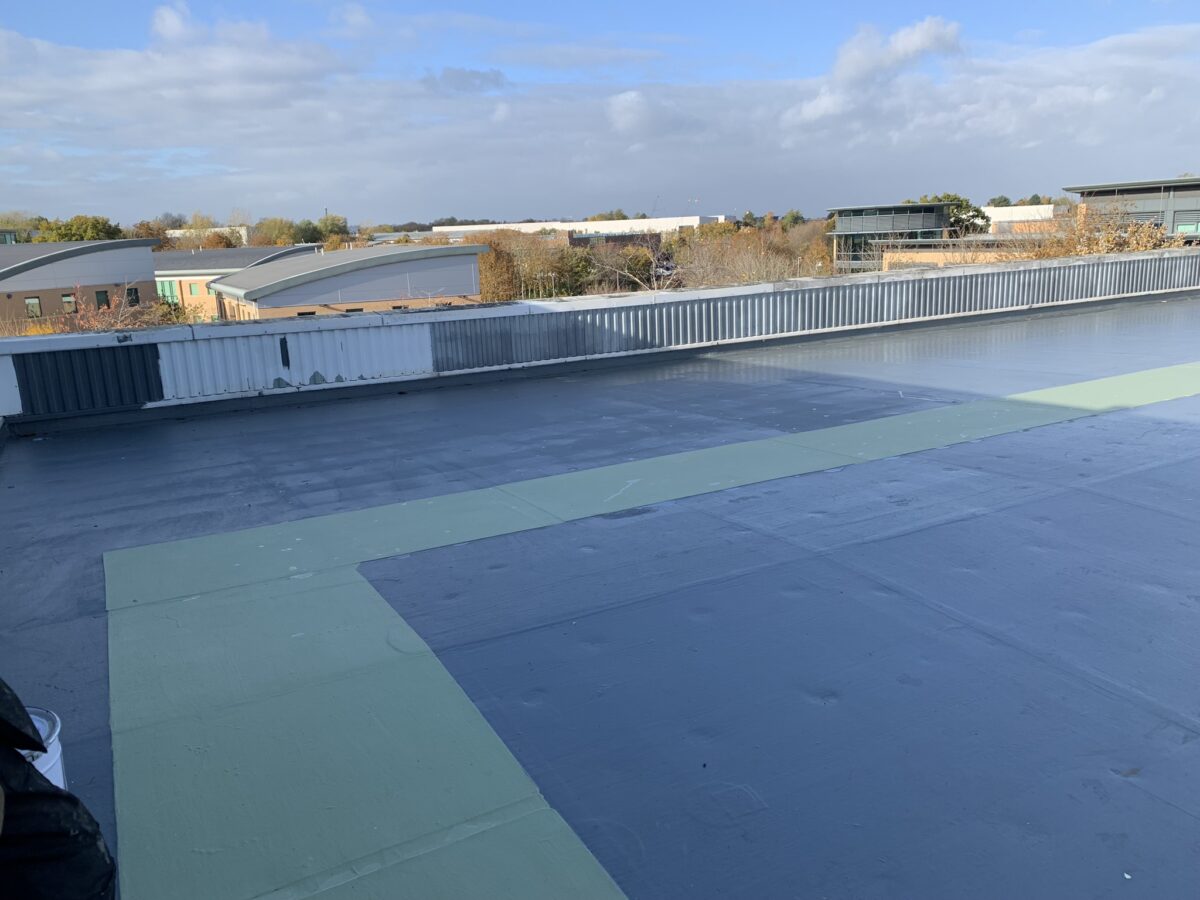
Flat roofs can be a practical and cost-effective choice for residential, commercial, and industrial buildings but they also require consistent care to avoid issues like ponding water, leaks, and weathering. At Protective Polymers, we specialise in providing advanced flat roof coatings that offer long-term protection, even in challenging conditions.

Why Flat Roofs Need Extra Attention

Unlike pitched roofs, flat roofs don’t shed water as easily. Over time, this can lead to pooling, surface degradation, and eventual leak, especially if the roof is covered in older materials like bitumen or mineral felt. Without the right protection, small issues can become expensive repairs.

That’s where our high-performance roof coatings come in.

The Protective Polymers Advantage

Our innovative roof coating system is designed with both performance and practicality in mind:

  • Exceptional Versatility: Whether your roof is made of old bitumen, mineral felt, over boarding, or even metal, our coatings adhere strongly and create a long-lasting seal. They’re also compatible with wood, synthetic and natural fibres, making them suitable for a wide range of surfaces.
  • Year-Round Application: Unlike many traditional products, our coatings can be applied wet-on-wet or wet-on-dry, even in cold and damp conditions (as long as it’s above 5°C). This means no waiting for perfect weather windows, which is especially helpful in the unpredictable UK climate.
  • Flexible and Durable Protection: The advanced formulation remains flexible, helping to prevent cracking and splitting over time, and delivering reliable waterproofing that resists weathering and UV exposure.
  • Eco-Friendly Formula: Sustainability is at the core of our product design. Our coatings are free from isocyanates and have low solvent emissions, making them safer to apply and better for the environment.

Long-Term Maintenance Made Simple

A proactive maintenance approach with our coating solutions can extend the life of your flat roof by many years. Instead of full replacement, which can be costly and disruptive, Protective Polymers offers an easier, cleaner, and more sustainable alternative.

Whether you’re maintaining a commercial building, renovating an older property, or simply future-proofing your roof, our coatings offer a cost-effective and long-lasting solution.

Ready to Reinforce Your Roof?

If you’re looking for a reliable, all-season flat roof coating system, Protective Polymers has the expertise and technology to deliver. Contact us today to learn more or schedule a consultation.

Categories

Protecting Your Property: How Anti-Graffiti Coatings Work and Why They’re Worth It

Graffiti can be a costly and frustrating problem for commercial property owners. Beyond the immediate visual impact, repeated cleaning can damage surfaces and drive up maintenance costs. At Protective Polymers, we specialise in manufacturing high-performance anti-graffiti coatings that give businesses an effective, long-term solution.

How Anti-Graffiti Coatings Work

Anti-graffiti coatings create a protective barrier on surfaces that prevents paints, inks, and markers from bonding. Instead of penetrating into the material, graffiti sits on the surface, making it much easier to clean.

We produce two main types:

  1. Sacrificial Coatings – A clear layer applied to the surface that is removed (or “sacrificed”) during cleaning, taking the graffiti with it. A new layer is then reapplied.
  2. Permanent Coatings – Highly durable finishes that can be cleaned multiple times without needing reapplication, offering years of protection.

Both options are engineered to maintain the look of your building while offering robust defence against vandalism.

How Long They Last

  • Sacrificial coatings typically protect for 1–2 years before reapplication is needed, depending on exposure and frequency of cleaning.
  • Permanent coatings can last 5–10 years or more, especially when maintained according to our guidelines.
    Our coatings are tested for weather resistance, UV stability, and cleaning durability, so you can count on them to stand up to the elements.

Benefits for Commercial Buildings

Reduced Cleaning Costs – Graffiti removal is quicker, uses less harsh chemicals, and requires less labour.
Preserves Surface Integrity – Prevents repeated scrubbing from wearing down brick, stone, metal, or painted finishes.
Improves Aesthetics – Keeps your property looking clean and professional, making a better impression on clients and visitors.
Long-Term Savings – Less damage and faster cleaning mean lower maintenance costs over time.
Environmental Benefits – Our coatings allow graffiti to be removed using milder, eco-friendly cleaning solutions.

Why Choose Protective Polymers?

With decades of experience and a commitment to innovation, we design coatings that combine durability, performance, and ease of application. Whether you manage an office building, retail space, public facility, or transportation hub, we can recommend the right solution to protect your investment.

Categories

Why Gutter Repair Matters for Industrial Buildings:

Benefits, Problems Solved & the Cost of Ignoring It

For industrial facilities, properly functioning gutters are not just about aesthetics—they’re critical for protecting equipment, structural components, and operations. Neglecting gutter maintenance can lead to water damage, safety hazards, and costly downtime. Investing in professional gutter repair now safeguards your industrial assets and ensures business continuity.

What Is Industrial Gutter Repair?

Industrial gutter repair restores the function of large-scale rainwater drainage systems, ensuring rainwater flows efficiently off roofs and away from the building structure. Repairs often involve heavy-duty sealants and coatings that bond with metal, concrete, or composite materials to provide durable, long-lasting solutions suitable for commercial and industrial applications.

The Big Benefits of Timely Industrial Gutter Repair

Prevent Water Damage to Structures and Equipment

Leaking or overflowing gutters can allow water to pool around foundations or inside storage areas. This can damage walls, compromise structural integrity, or even affect machinery and inventory. Proper gutter repair reduces the risk of water infiltration, protecting both assets and operations.

Protect Roofs, Fascias, and Structural Components

Industrial gutters are exposed to high rainfall loads and often span large roof areas. Misaligned or damaged gutters can back up water onto roof panels, fascia boards, and support structures, accelerating corrosion and decay. Timely repair prevents long-term structural deterioration and costly roof replacements.

Extend Lifespan of Industrial Drainage Systems

Repairs on critical joints, seams, or damaged sections extend the life of your existing gutter system, avoiding the expense of complete replacements. High-performance industrial sealants and coatings can withstand expansion, contraction, and harsh environmental conditions.

Reduce Maintenance Downtime

A well-repaired gutter system minimizes the need for repeated inspections and emergency fixes, helping keep operations running smoothly. Preventative repairs also reduce the risk of workplace hazards caused by leaking water or ice formation in winter.

Common Problems Industrial Gutter Repair Solves

Industrial gutters face challenges that differ from domestic systems:

  • Leaking seams and joints under heavy rainfall
  • Corrosion or cracks in metal or composite gutters
  • Sagging or misaligned sections affecting water flow
  • Blocked downspouts causing overflow and site flooding
  • Sealant failure due to temperature extremes or chemical exposure

Industrial gutter repair solutions are designed to adhere to a variety of materials, remain flexible under temperature fluctuations, and withstand the demanding conditions typical of warehouses and manufacturing plants.

What Happens If You Ignore Gutter Issues in Industrial Buildings?

Neglecting gutter repair in industrial facilities can lead to serious operational and financial consequences:

Structural & Water Damage

Overflowing gutters can allow water into walls, foundations, or roof structures, potentially compromising the integrity of the building and leading to costly repairs.

Operational Disruptions

Water pooling or leaks can create unsafe working conditions, requiring sections of a facility to be closed for emergency repairs or cleanups.

Equipment and Inventory Damage

Uncontrolled water flow can damage stored materials, sensitive machinery, or production lines, resulting in lost productivity and replacement costs.

Increased Insurance Risks and Liability

Facilities with known maintenance issues may face higher insurance premiums or denied claims if water damage or accidents occur due to neglected gutters.

Safety Hazards

Standing water from faulty gutters increases slip hazards and may encourage pest infestations, creating additional safety and regulatory concerns.

Final Thought

For industrial facilities, gutter repair is more than maintenance—it’s a critical investment in protecting property, equipment, and operations. Using industrial-grade sealants and coatings ensures that your drainage system performs reliably under heavy loads and extreme conditions. Ignoring gutter issues might seem low-cost initially, but the financial and operational risks make timely repair an essential part of facility management.

Business